Penicillin Cream: Uses, Alternatives, and Safety Guide
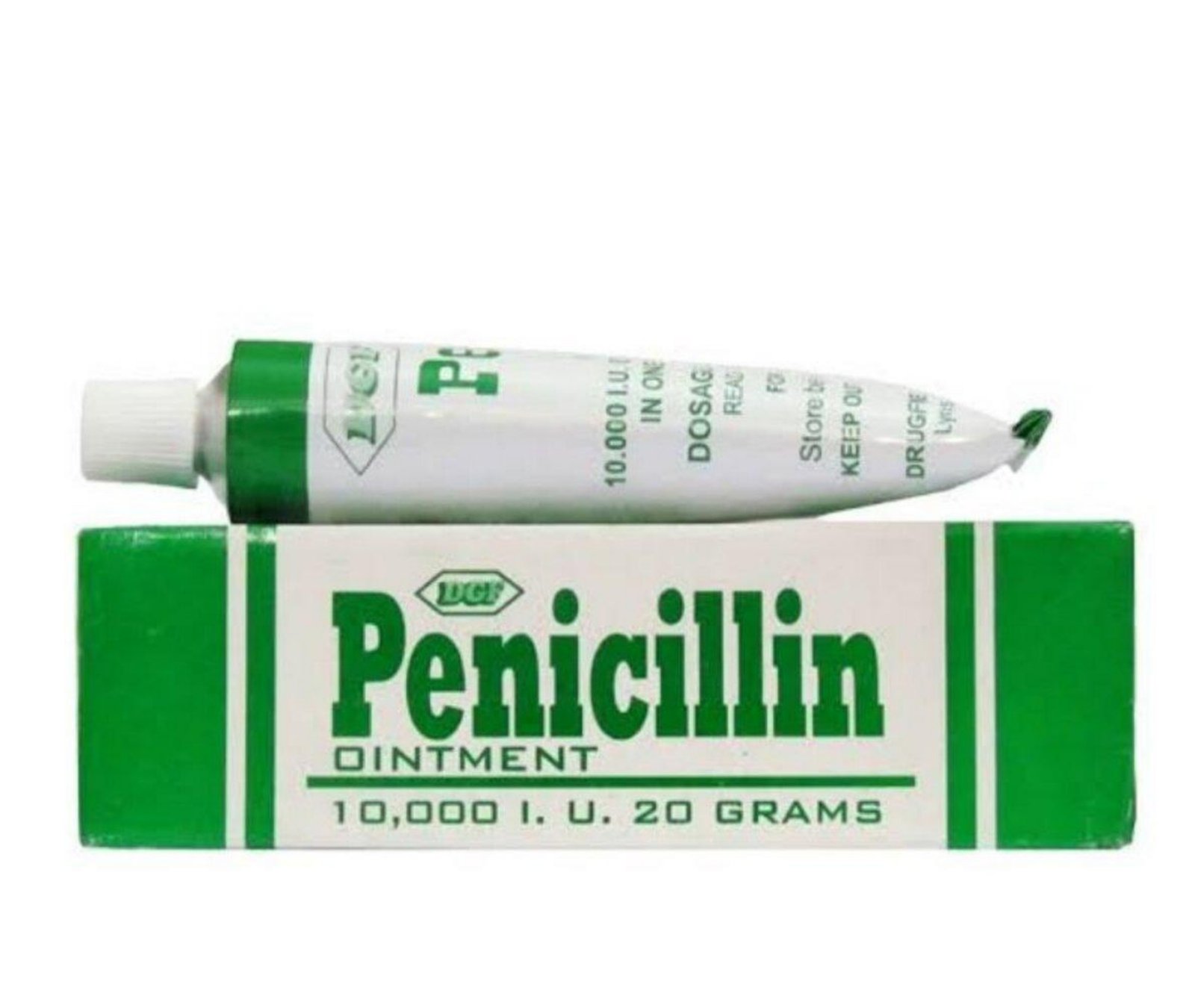
You’ve most likely heard a good deal of penicillin bandied about and you may be asking yourself: does it have a penicillin cream I can rub into this little thing and settle the score? It sounds logical, right? Penicillin kills bacteria. Bacteria causes infection. So penicillin cream would play the trick.
Not really, though, that is what this article is about to unclear up. The truth about penicillin cream is not as simple as most individuals would believe, and the knowledge of it will be a true health safeguard. And we are going to take you through what penicillin is, why a topical preparation is not usually used or advised and what options actually perform, and how to make the most intelligent choice the next time an open wound or a skin infection shows up at the doorstep.
No medical jargon overload. No frightening disclaimers on a two-sentence basis. Only factual, practical knowledge, the sort your drug store man would explain to you, given ten minutes of your time.
What Is Penicillin and How Does It Work?
I would like to begin at the beginning, as this is one of the most interesting stories in medical history.
In 1928, Alexander Fleming, a Scottish bacteriologist, returned to his vacation and saw that his petri dishes had been contaminated with molds. Majority of scientists would have been frustrated. Fleming was intrigued by this, as the virus was Penicillium notatum because the bacteria surrounding it were killed by the mold. All it took was a single moment of curiosity and the antibiotic age was created.
Penicillin acts upon cell walls of bacteria. Bacteria require stiff cell walls in order to survive, it is really their armor. Penicillin disrupts the proteins that construct and support those walls and, therefore, the bacteria literally disintegrates inward. It is beautiful, efficient and precise enough not to damage your own cells (they lack a cell wall like bacteria do).
And this is where penicillin cream comes in the picture, and why is also where it comes out pretty soon.
Uses of Penicillin
Though penicillin cream may not be the topical choice of treatment one of the most significant antibiotics in medicine is still penicillin. It is good to know what it is actually used to treat as this will make you realize why doctors as well as doctors are prescribing it in the first place.
1. Strep Throat and Tonsillitis.
Such is the traditional home of penicillin. The strep throat or streptococcal pharyngitis is a reaction that is sensitive to penicillin. It has been the initial line therapy decades ago. Experience tells you that is a cousin of penicillin that is doing the hard work when you take amoxicillin to treat a throat infection.
2. Dental Infections
You up all night with that dreadful throbbing toothache? The first thing your dentist will probably pick is penicillin or amoxicillin in case of any bacterial infection. It works with most oral germs and has been applied to the dentistry over centuries.
3. Syphilis
Penicillin continues to be an ideal choice in the management of syphilis, a sexually transmitted disease that is caused by Treponema pallidum. To this day, more than sixty years on, the bacteria have not resisted penicillin, which is a wonderful thing on its own and in fact, it provides the healthcare industry with a dependable weapon against the disease.
4. Rheumatic Fever Prevention
Individuals that have suffered a rheumatic fever (complication of untreated strep infection) are occasionally prescribed long-term low-dose penicillin so that the oedema does not return. It is a prophylactic precaution that guards the remaining damage to the heart.
5. Pneumonia (certain types)
Treatment Streptococcus pneumoniae which causes community acquired pneumonia can be treated using penicillin-based antibiotics. Pneumonia does not always respond but viral pneumonia, such as that of the common cold, will never yield, but bacterial pneumonia in the first stages is pretty simple.
Best Alternatives to Penicillin Cream
There are a few truly good ones out there and they work and some of these you can even find over the counter without a prescription.
1.Mupirocin (Bactroban)
Out of this article, you can only remember one name, and it is mupirocin. This is the antibiotic cream which the dermatologists and family doctors really prescribe when it comes to skin infections, and they have a reason why it is not in vain it works.
Mupirocin is very effective in case of Staphylococcus aureus (and some MRSA strains) and in the case of Streptococcus. It is used together with impetigo, the crusty rash that is honey colored, which is commonly used in children, infected cuts, and abrasions, as well as with minor wounds. It can also be applied to decolonize MRSA carriers in pre-surgery.
Best: Impetigo, infected cuts, folliculitis, minor skin infections.
Prescription: Yes, no exceptions in most countries.
2. Neosporin and Bacitracin
These are the ones that your parents likely utilized on you as a child. Bacitracin is a single antibiotic ointment, acting on gram-positive, whereas Neosporin is a triple-antibiotic combination of neomycin, polymyxin B, and bacitracin that has a larger range of coverage.
They can be used in preventing minor burns, scrapes and cuts as well as minor burns. That is the key to it the important one there is preventing–they do not work so well when you have already gone to the extent of a serious infection and need a rescue fit. They are you first line of defense, not your rescue crew.
Indications: Small burns, incisions (after surgery), scrapes, minor scrapes and wounds, small bruises.
Caution: Others are allergic to neomycin and therefore can develop contact dermatitis, once a wound becomes increasingly irritated upon the use of Neosporin, discontinue.
3. Fusidic Acid Cream
Fusidic acid is a prescription topical antibiotic which is common in the UK and Australia as well as Canada and most other countries. It is effective especially against Staphylococcal and it is commonly applied to impetigo, infected eczema and other bacterial skin diseases.
Best to use: Impetigo, infected eczema, skin infections by Staphylococcus.
4. Newer Generation Retapamulin (Altabax)
Retapamulin is an antibiotic that has been produced recently to use as a topical agent to treat impetigo and small infected wounds. It acts dissimilarly to most antibiotics and attacks the bacterial protein production in a special manner that it is less likely to cause resistance. It is a good alternative in case of the lack of mupirocin or its ineffectiveness.
Indications: best used in impetigo, 2ndarily infected traumatic defects.
5. Silver Sulfadiazine
Silver sulfadiazine cream can be administered to people who have had a major burn. This antimicrobial is particularly applied in the second and third-degree burns to ensure an area which is highly susceptible to infection is not infected. It is not just any antibiotic cream, it is a special wound care equipment.
Indications: Moderate to severe burns, chronic wound care.
Related ArticlesSkin Doctor Cream Review: Benefits, Uses, and Side Effects Explained
How to Choose the Right Antibiotic Cream
Step 1: Assess the Wound
Ask yourself the following questions:
Is the skin broken? A topical antibiotic can be used in a cut, scrape or abrasion.
Does it already bear any indications of infection? Redness, swelling, warmth, pus or fever indicate that it may require more than a cream.
How deep is it? The deep punctured wounds usually require oral, rather than topical antibiotics.
Is it on the face? The facial infections are more spread and near the crucial structures, so do not risk it, visit the doctor.
Step 2: Find the Match between the Cream and the Condition.
Minor cut, scrape or abrasion – Bacitracin or Neosporin.
Impetigo or diffuse skin infection – Mupirocin (prescription)
Eczematous or dermatitis with infection – Fusidic acid (where available) (prescription).
Burns – Silver sulfadiazine (prescription, medical supervision)
Step 3: Consider Your History
Have you responded to any antibiotics negatively in the past? Ask your pharmacist or doctor about it. Do you know whether you are pregnant or breastfeeding? Certain creams are not harmful as others are during pregnancy. Is your skin sensitive or have eczema? The popular desensitizer is neomycin (part of Neosporin): hypoallergesic bacitracin could be more appropriate.
The bottom line? When there are small injuries at home, you can count on bacitracin which is your low-risk option. More serious, or anything not likely to be healed in several days, must be submitted to a professional judgment.
Frequently Asked Questions
1. Is it possible that antibiotic creams do go out of date and can be used?
Yes, they can expire. Application of out of date creams can give lower efficacy and lead to more irritation.
2. Do you apply antibiotic cream to sensitive parts of the body such as the face?
You can, but carefully. Certain creams can cause irritation to the sensitive skin hence it is important to check instructions or seek professional advice.
3. Are antibiotic creams effective in treating fungi?
No. Antibiotics do not act on fungi, but bacteria. Instead you will require antifungal treatment.
4. Does taking excess of antibiotic cream delay healing?
Surprisingly, yes. Excessive use may cause irritation of the skin and slow down healing.
5. Better or worse than antibiotic creams are natural remedies?
With mild cases, natural remedies could be useful, but they cannot substitute the medically proven infections treatment procedures.
6. Do antibiotic creams leave a stain on the clothing or skin?
Others may cause spots or residue particularly the oil smear.
7. Should you share your antibiotic cream with a different person?
No. Bacteria can be taxed as different infections have different treatments; and they can be easily spread by sharing.
Conclusion
Penicillin cream is a more of a search term than a medical solution.
What you really require is the appropriate topical antibiotic to your particular condition not simply something that sounds effective.
The good news? You now know:
What penicillin really does, Why it’s not used as a cream, What to use instead, When to treat at home, and when to get help
And honestly, that knowledge puts you ahead of most people.
Because the next time you face a skin issue, you won’t just guess, you’ll make an informed decision.